news
维替流体控制有限公司 2026-01-22 15:00 5991
The stop valve is designed with low in and high out, aiming to reduce flow resistance and make it easier to open the valve. When the valve is closed at the same time, the gasket between the valve shell and the valve cover and the packing around the valve stem are not subjected to force, and thus will not be affected by the medium pressure and temperature for a long time, which can extend the service life and reduce the probability of leakage. In addition, this way, the packing can be replaced or added when the valve is closed, which is convenient for maintenance.
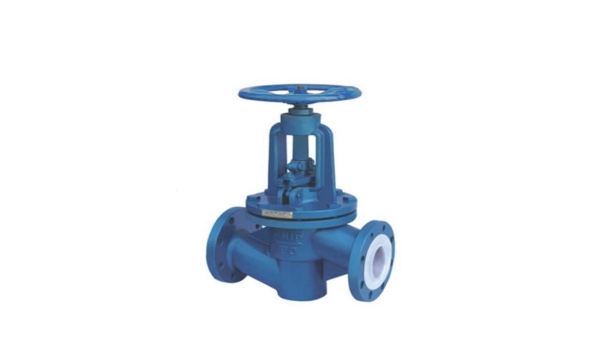
Many people think that all stop valves are low-in and high-out, but that's not the case. Under normal circumstances, stop valves are low-in and high-out. However, there are also some special cases where stop valves are high-in and low-out
For high-pressure stop valves with a diameter greater than 100mm, due to the poor sealing performance of large-diameter valves, this method is adopted. When the stop valve is closed, the medium pressure acts above the valve disc to enhance the sealing performance of the valve.
2. Two stop valves are connected in series on the bypass pipeline. The second stop valve is required to be "high in and low out". To ensure the tightness of the valves within one maintenance cycle, two stop valves are required to be installed in series for valves that are frequently opened and closed.
For the bypass system, the installation functions of this bypass are as follows:
Balance the pressure before and after the main pipeline valves to make opening convenient and effortless, and reduce the wear of the main pipeline valves.
② During the start-up process, warm the small flow pipes;
③ On the main feed water pipeline, the feed water flow rate is controlled to regulate the boiler pressure increase speed for the boiler water pressure test. According to the direction of medium flow, the bypass stop valves are respectively the primary valve and the secondary valve. During normal operation of the unit, both the primary valve and the secondary valve are closed and are in direct contact with the medium. To prevent the gasket between the valve shell and the valve cover of the secondary valve and the packing around the valve stem from being exposed to the medium and temperature for a long time, and to allow the packing of the valve to be replaced during operation, the installation direction of the secondary valve is required to be "high in and low out".
3. Boiler exhaust and venting stop valves: Boiler exhaust and venting stop valves are only used during the boiler start-up and water supply process, with a low opening and closing frequency. However, due to poor sealing, the working medium is often lost. Therefore, some power plants install such stop valves in the "high in and low out" direction to improve tightness.
4. Electromagnetic quick-break valve: The function of the electromagnetic quick-break valve is to close quickly and cut off the fuel supply promptly. The structure of an electromagnetic quick-break valve is similar to that of a stop valve. If the working medium enters from the bottom and exits from the top in an electromagnetic quick-break valve, the force exerted by the fuel on the lower part of the valve disc of the electromagnetic quick-break valve will be very large, while the weight of the electromagnetic quick-break valve is much smaller than it. Therefore, if the working medium enters the quick-break valve from the bottom, since the torque generated by the heavy hammer is less than that generated by the fuel pressure, when the quick-break valve operates, the fuel cannot be cut off, thus failing to achieve the expected purpose. If the working medium enters from the upper part of the quick-break valve, once the quick-break valve operates, the pressure after the valve drops rapidly. The force exerted by the fuel on the lower part of the valve disc quickly drops to zero, while the force formed by the force of the fuel on the valve disc and the gravity of the counterweight and lever.
Under general large-diameter and high-pressure conditions, it is rather difficult to close the valve if a low-in and high-out approach is adopted. If a low-in and high-out approach is used under high-pressure and large-diameter conditions, the valve stem is prone to deformation and bending due to long-term water pressure, which affects the safety and sealing performance of the valve. If the high-in and low-in section is selected, the diameter of the valve stem can be smaller, which will also save some costs for both the manufacturer and the user.
Demand feedback
Vite Control Fluid GMBH in Germany specializes in manufacturing a full range of valve products, including automatic control regulating valves, which are applied in harsh working conditions such as high temperature, high pressure, easy erosion and corrosion. Vite Control Fluid GMBH in Germany has highly specialized engineering personnel and production equipment, and collaborates with renowned domestic universities and professional institutions in the fields of material development, fluid mechanics, valve system design and production.