news
维替流体控制有限公司 2026-05-29 15:52 10813
In industries such as chemical engineering, metallurgy and pharmaceuticals, strong acid and strong alkali media are the main factors leading to the corrosion and failure of valves. Even the slightest changes in medium concentration, temperature and pressure may significantly affect the corrosion resistance of materials. Based on the engineering selection manual and on-site practical experience, the selection of valve materials must be precisely matched with the characteristics of the medium, temperature and pressure parameters, and structural matching. Safety and economy should be comprehensively considered to avoid the selection misunderstanding of using a single material to cover all working conditions.
W&T Fluid Control, relying on Germany's century-old technological accumulation and global application experience in harsh working conditions, provides you with a full-process corrosion-resistant valve solution from material selection, sealing matching to structural design.
I. Weak Corrosion Conditions: A balance between economy and reliability
For weakly corrosive conditions, including dilute acetic acid, low-concentration alkaline solutions, and neutral media with pH values ranging from 5 to 9, 304 stainless steel (CF8) or carbon steel can be given priority. 304 stainless steel can form a stable passivation film in normal temperature dilute nitric acid and weakly alkaline environments, and has a high cost performance. Carbon steel is suitable for sodium hydroxide solutions with a temperature below 80℃ and a concentration not exceeding 30%. Although there is slight corrosion, its cost is relatively low and it is applicable in situations where there are no strict requirements for iron ion content. Under such working conditions, it is necessary to avoid the presence of chloride ions or solid particles in the medium to prevent pitting and wear.
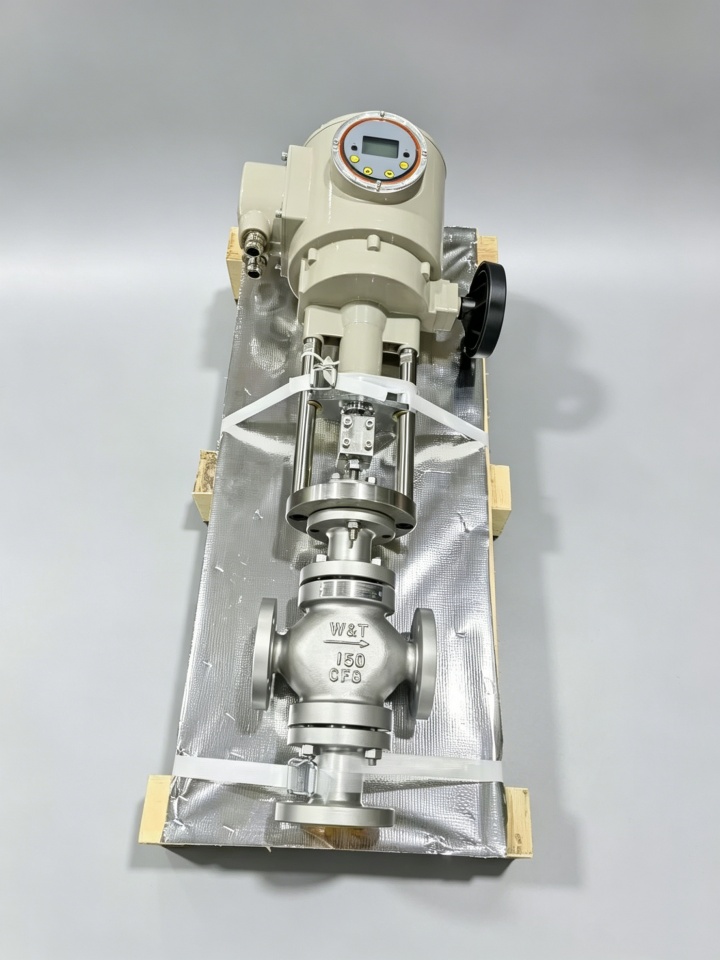
Viti Solution: Viti offers a full range of 304/316 stainless steel valves, which are processed by precision casting and CNC machining techniques. The sealing surface can be selected with cobalt-based alloy surfacing or PTFE soft sealing to ensure long-term stable operation in weakly corrosive conditions, balancing economy and reliability.
Ii. Moderate corrosion Conditions: The mature application of duplex stainless steel and 316L
For moderately corrosive working conditions, such as 20% to 70% dilute sulfuric acid, medium-concentration alkaline solutions, and temperatures not exceeding 100℃, 316 or 316L stainless steel (CF8M) can be used as the basic selection material. Due to the addition of molybdenum, this material has a significantly better resistance to non-oxidizing acid and alkali solution corrosion than 304 stainless steel, and is suitable for most medium and low concentration acid and alkali environments. If higher working conditions are required, 2205 duplex stainless steel can be selected. This material combines the advantages of austenitic and ferritic structures, has high strength, and excellent resistance to stress corrosion cracking. It is suitable for acid-base mixed media containing chloride ions.
Vitec solution: Vitec 2205 duplex stainless steel valves have been widely applied in seawater desalination, chemical industry with chlorine-containing media and other working conditions. The valve stem has undergone special surface treatment to further enhance its corrosion resistance and wear resistance. Viti can customize special alloy valves such as Hastelloy, Monel and titanium according to the customer's working conditions to meet higher-level corrosion resistance requirements.
Iii. Strong Corrosive Conditions: Precise matching of Hastelloy, titanium, and nickel alloys
Under strong corrosive conditions, involving concentrated hydrochloric acid, concentrated sulfuric acid, concentrated nitric acid and high-temperature strong alkali and other media, materials must be precisely selected according to the specific type of medium:
| Medium type | Recommended materials | The technical advantages of Viti |
|---|---|---|
| Reducing acids such as hydrochloric acid | Hastelloy C-276/B3 | It can withstand boiling concentrated hydrochloric acid and has excellent resistance to pitting and crevice corrosion |
| Oxidizing acids such as nitric acid | Titanium alloy (TA2 | The surface oxide film is extremely stable and suitable for high-temperature concentrated nitric acid environments |
| Concentrated sulfuric acid (>60℃ | Hastelloy C-276 or fluorine-lined valves | The inner lining of the Viti fluorine-lined valve is imported PTFE, with a temperature resistance of 180℃ and a pressure resistance of 2.5MPa |
| High-temperature concentrated alkali (>100℃ | Nickel 200 / Monel alloy | Effectively prevent alkali embrittlement cracking and is suitable for harsh working conditions such as 50% liquid caustic soda |
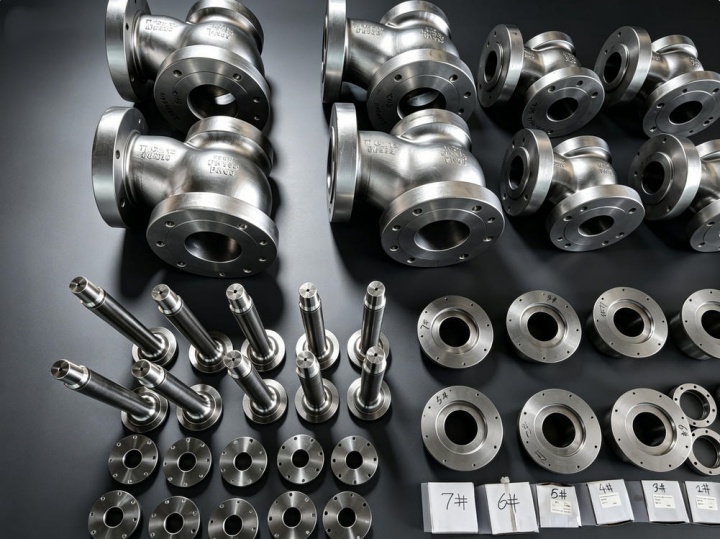
Viti Solution: Viti has a complete production capacity for special alloy valves, ranging from Hastelloy to titanium, from Monel to nickel alloys. All are manufactured in accordance with German technical standards. Each valve can be provided with a material quality guarantee certificate and a full-process traceability record.
Iv. Fluorine-lined and Ceramic Valves: Supplementary Solutions for Economy and Wear Resistance
In scenarios with medium and low pressure, normal temperature and strong corrosiveness, fluorine-lined (PTFE) valves are the economically preferred solution. The inner lining of polytetrafluoroethylene can withstand the vast majority of acid and alkali media. The valve body is made of carbon steel or cast iron to reduce costs. The applicable temperature does not exceed 180℃ and the pressure does not exceed 2.5MPa. For corrosive slurries containing solid particles, ceramic valves are recommended. They are hard, wear-resistant and corrosion-resistant, but have poor impact resistance. Attention should be paid during operation.
Vittey plan
Fluorine-lined valves: Viti fluorine-lined butterfly valves, fluorine-lined ball valves, fluorine-lined diaphragm valves. The valve body is lined with imported PTFE/PFA, and the sealing surface is made of PTFE or FEP. They are suitable for strong acids, strong alkalis and organic solvents, and have been widely used in fine chemicals, pharmaceutical intermediates and other fields.
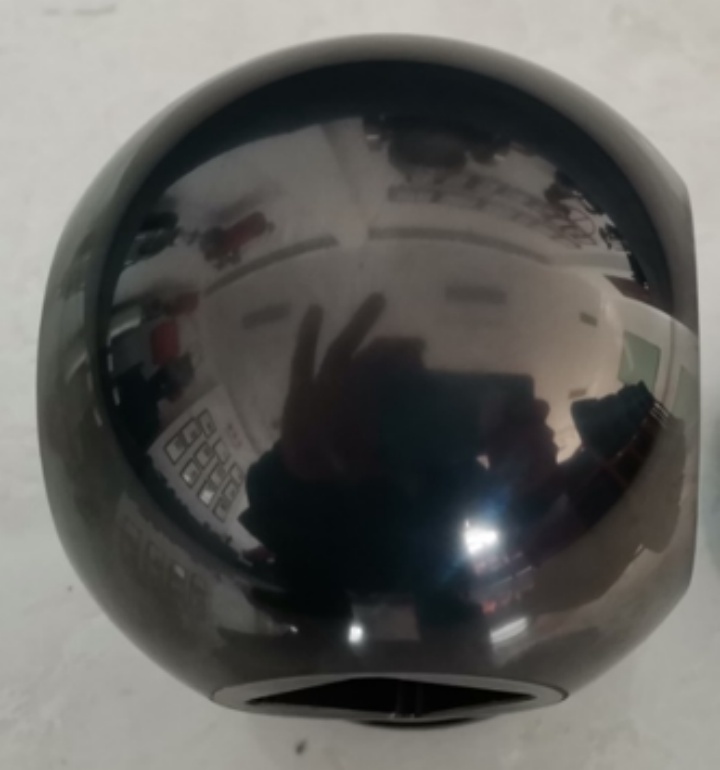
Ceramic valves: Viti fully lined ceramic ball valves and ceramic butterfly valves are made of zirconia or silicon carbide materials, with a hardness of over HRC90. They also have excellent corrosion resistance and are particularly suitable for corrosive slurries containing solid particles, such as titanium dioxide, hydrometallurgy, and flue gas desulfurization.
The core advantages of Viti ceramic valves: The integral sintered silicon carbide valve core and seat have high hardness and erosion resistance. They have been verified by a 2880-hour dilute sulfuric acid extreme test, and their service life far exceeds that of traditional metal valves.
V. Principle of Integrity in material Selection: The valve body, valve stem and sealing parts are all indispensable
During the material selection process, it is necessary to ensure that the corrosion resistance grades of the valve body, valve stem and sealing surface materials are consistent, and the sealing parts need to be matched with corrosion-resistant materials such as fluororubber and ethylene propylene rubber. Only by following the principles of determining the material based on the medium, the grade based on temperature and pressure, and the structure based on working conditions can the valve achieve long-term stable operation in a highly corrosive environment.
Vitec's integrity commitment
Valve body/cover: Matched with 304/316L/2205/ Hastelloy/titanium/fluorine-lined/ceramic according to the characteristics of the medium
Valve stem: Made of corrosion-resistant alloy of the same grade, the surface is hardened to resist scratches and wear
Sealing surface: Hard seals are surfacing with cobalt-based alloy (Stellite), and soft seals are made of imported PTFE/PEEK
Packing/gasket: Low leakage packing group, in compliance with ISO 15848 emission requirements, and FDA/ USP VI certified materials are available as options
Each valve of Viti achieves a "material-structure-seal" three-in-one corrosion-resistant match, ensuring long-term stable operation under strong acid and strong alkali working conditions.
Vi. Vitet's technological accumulation in the field of corrosion-resistant valves
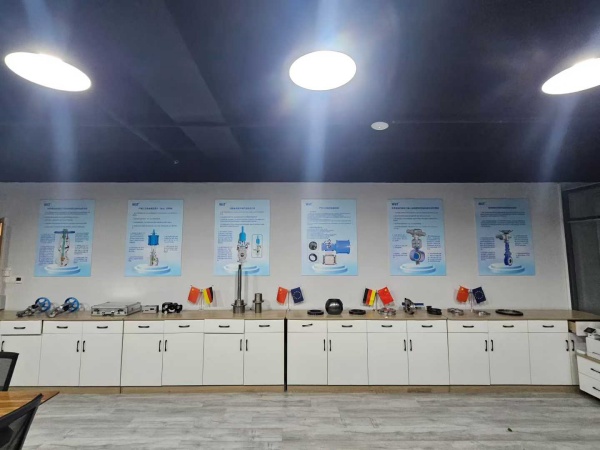
W&T Fluid Control, with its technical roots in Frankfurt, Germany in 1932, has decades of experience in material research and application conditions in the field of corrosion-resistant valves.
Special alloy valves: Hastelloy, Monel, titanium, nickel alloy, duplex stainless steel. Full range of fluorine-lined valves: PTFE/PFA lining, strong corrosion resistance, economical and reliable
Ceramic valves: Integral sintered silicon carbide/zirconia, an integrated solution for wear and corrosion resistance. Hard alloy surfacing: cobalt-based alloy sealing surface, scratch-resistant and erosion-resistant
Global verification: The product has achieved numerous successful records in fields such as coal chemical engineering, hydrometallurgy, fine chemicals, and pharmaceutical manufacturing
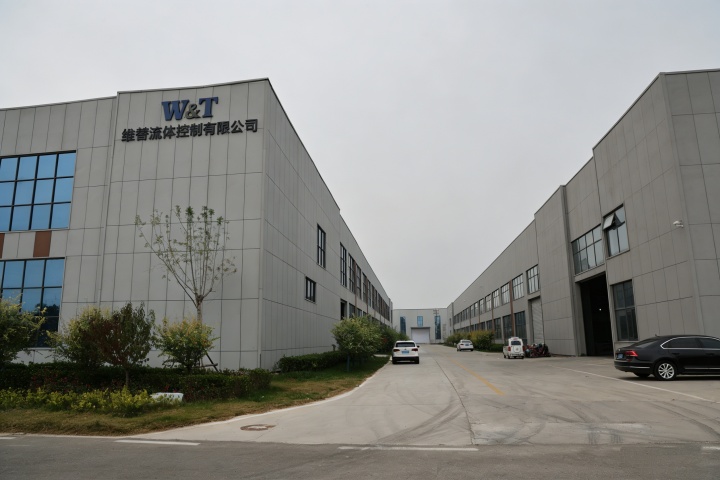
Viti promises: All components in contact with the medium are made of compliant corrosion-resistant materials, combined with precise processing and full-process inspection techniques, to ensure that the valves fully meet the strict requirements of strong acid and strong alkali working conditions from the source of materials to the final delivery.
If you need precise selection for specific media (sulfuric acid/hydrochloric acid/nitric acid/alkali solution, etc.), temperature, pressure and solid content, please feel free to contact the technical team of Viti Fluid Control Co., LTD. Asia-pacific Center at any time.
Demand feedback
Vite Control Fluid GMBH in Germany specializes in manufacturing a full range of valve products, including automatic control regulating valves, which are applied in harsh working conditions such as high temperature, high pressure, easy erosion and corrosion. Vite Control Fluid GMBH in Germany has highly specialized engineering personnel and production equipment, and collaborates with renowned domestic universities and professional institutions in the fields of material development, fluid mechanics, valve system design and production.